Coimbra

Coimbra, so close by

It was once the capital of the kingdom and has one of the oldest universities in Europe. And the rest starts just beyond: the river, the forests, a Roman city.

Historic centre

The Alta (the upper town) and the Baixa (the lower town), joined by stairways and streets that few climb in one go. A good way to arrive: leave the car by the Convento São Francisco and cross the bridge on foot.

≈ 3.7 km

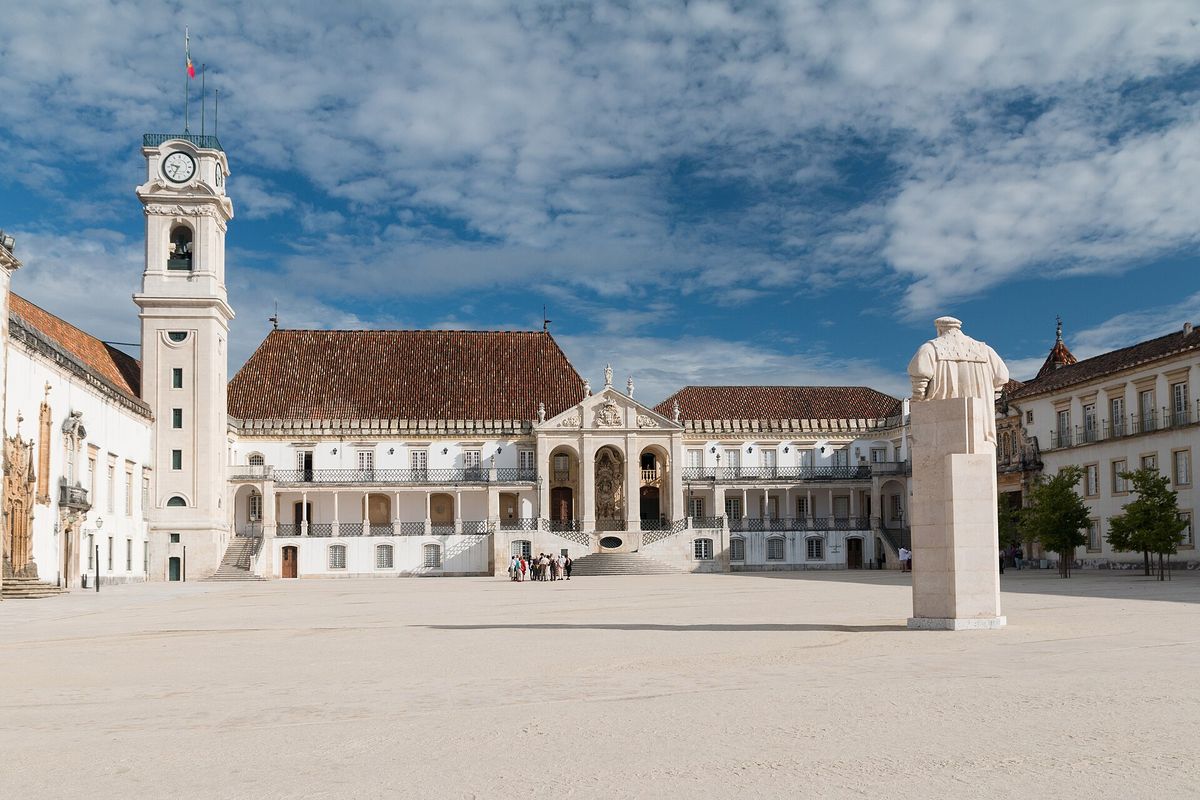
University of Coimbra

The tower, which the students call ‘a Cabra’ (the Goat), can be visited too. The view over the Mondego repays the steps.

How to get there →

The history

Founded in 1290 by King Dinis, the university moved between Lisbon and Coimbra until it settled here for good in 1537, soon taking over the old royal palace. That is why the Pátio das Escolas has the view it has: before it belonged to the lectures, it belonged to the kings.

Inside are the Sala dos Capelos, where doctoral examinations are still held today, and the Biblioteca Joanina, from the reign of King João V, guarded at night by a colony of bats that eat the insects that would otherwise damage the books. It has been a UNESCO World Heritage Site since 2013.

Photo: Daniel Villafruela, Wikimedia Commons, CC BY-SA 4.0

≈ 3.8 km

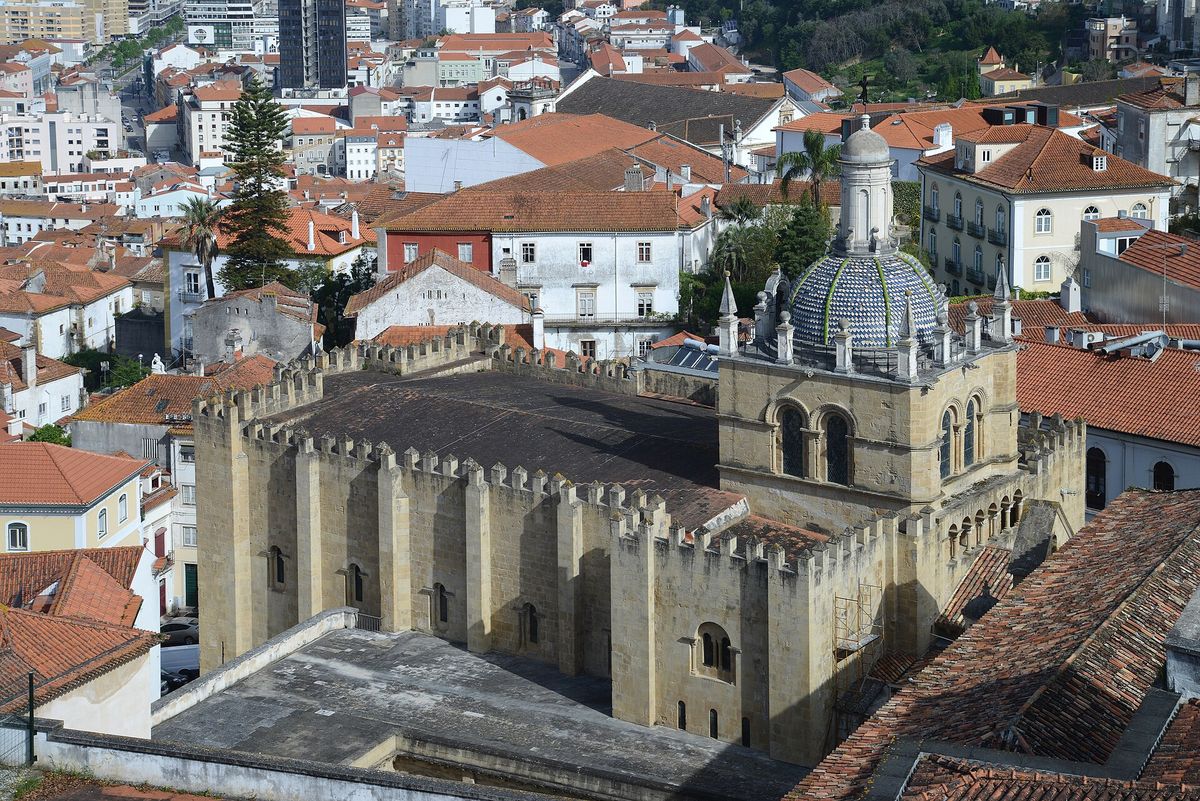
Sé Velha

Climb up from the Baixa along Rua do Quebra-Costas, the ‘back-breaker’. The name is fair warning.

How to get there →

The history

It looks more like a fortress than a church, and that is no accident: building began in the twelfth century, when Coimbra was the capital of the kingdom and the war with the Moors was not long past. It is one of the best-preserved Romanesque cathedrals in the country.

On the steps in front, the Serenata Monumental is sung every year, opening the students' Queima das Fitas festivities.

Photo: Alvesgaspar, Wikimedia Commons, CC BY-SA 4.0

≈ 3.5 km

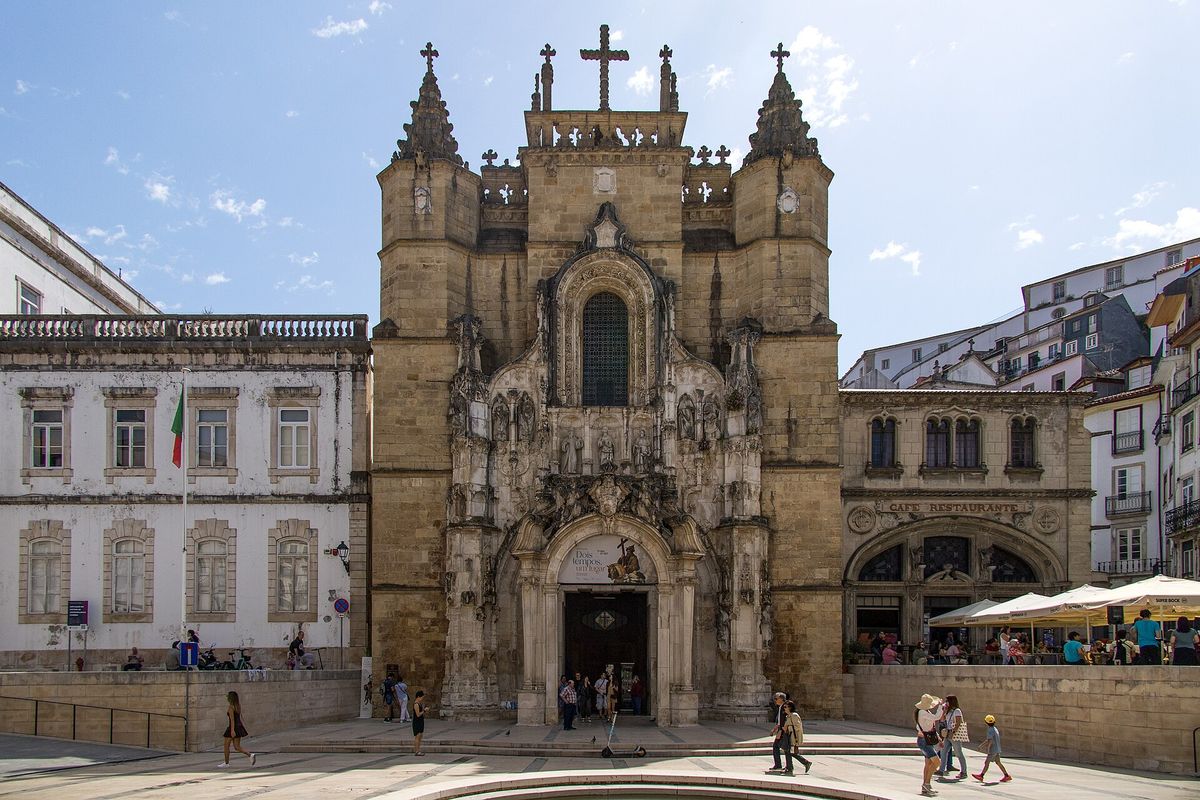
Monastery of Santa Cruz

Right next door, the Café Santa Cruz occupies part of the old monastery. Worth it for the vaults and an unhurried coffee.

How to get there →

The history

Founded in 1131 by the canons of St Augustine, with the support of King Afonso Henriques, it was one of the great centres of learning in medieval Portugal. The façade you see today is Manueline, from the sixteenth century.

The first two kings of Portugal, Afonso Henriques and Sancho I, are buried in the church, which is why the monastery is a National Pantheon.

Photo: Alexkom000, Wikimedia Commons, CC BY 4.0

Banks of the Mondego

Across the river, very close to the house, lies the Coimbra of legend: of the Rainha Santa, the sainted queen; of Pedro and Inês; and of a whole country in miniature.

≈ 3.3 km

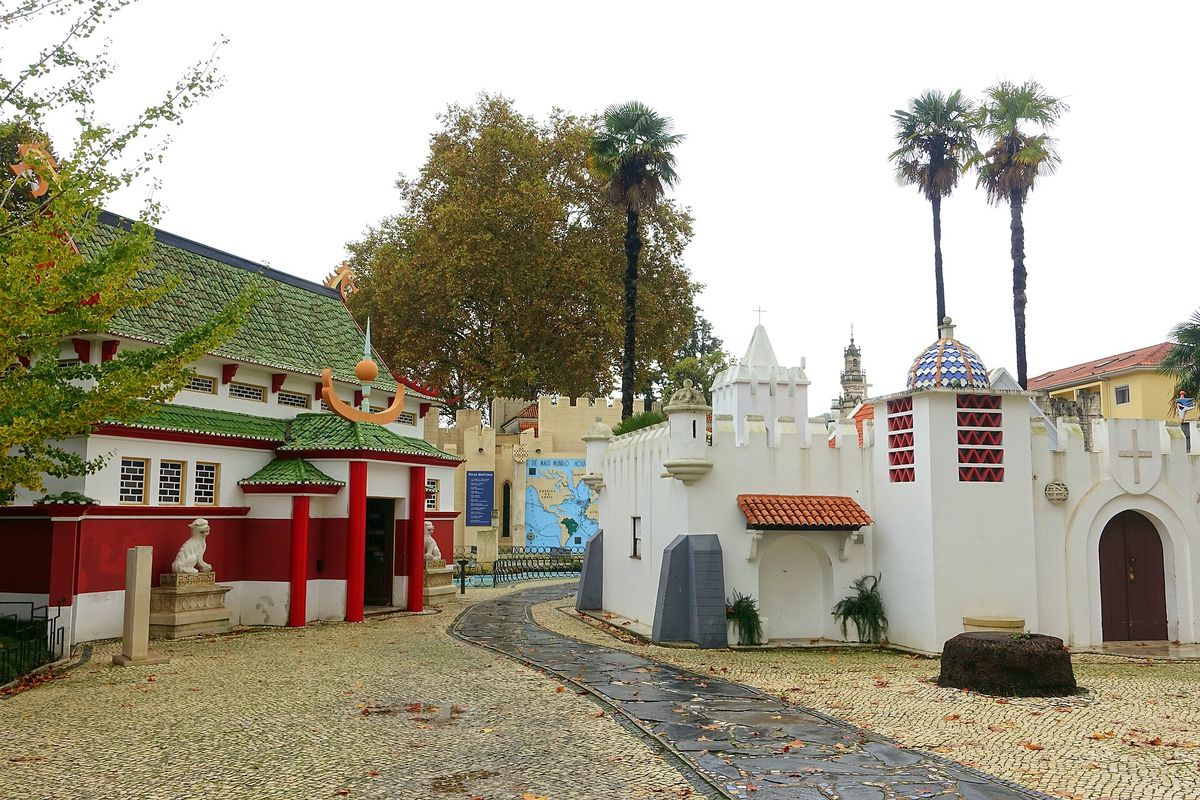
Portugal dos Pequenitos

With children, go in the morning, before the heat sets in.

How to get there →

The history

It opened in 1940, the idea of the doctor Bissaya Barreto, to a design by the architect Cassiano Branco. It is a country built to a child's scale: traditional houses from north to south, national monuments in miniature and pavilions devoted to the Portuguese-speaking countries.

Adults have to stoop to get through the doors, and that is where the fun begins.

Photo: Daderot, Wikimedia Commons, public domain (CC0)

≈ 3.7 km

Quinta das Lágrimas

The estate is also a hotel, and there is a charge to visit the gardens. Check the opening hours before you go.

How to get there →

The history

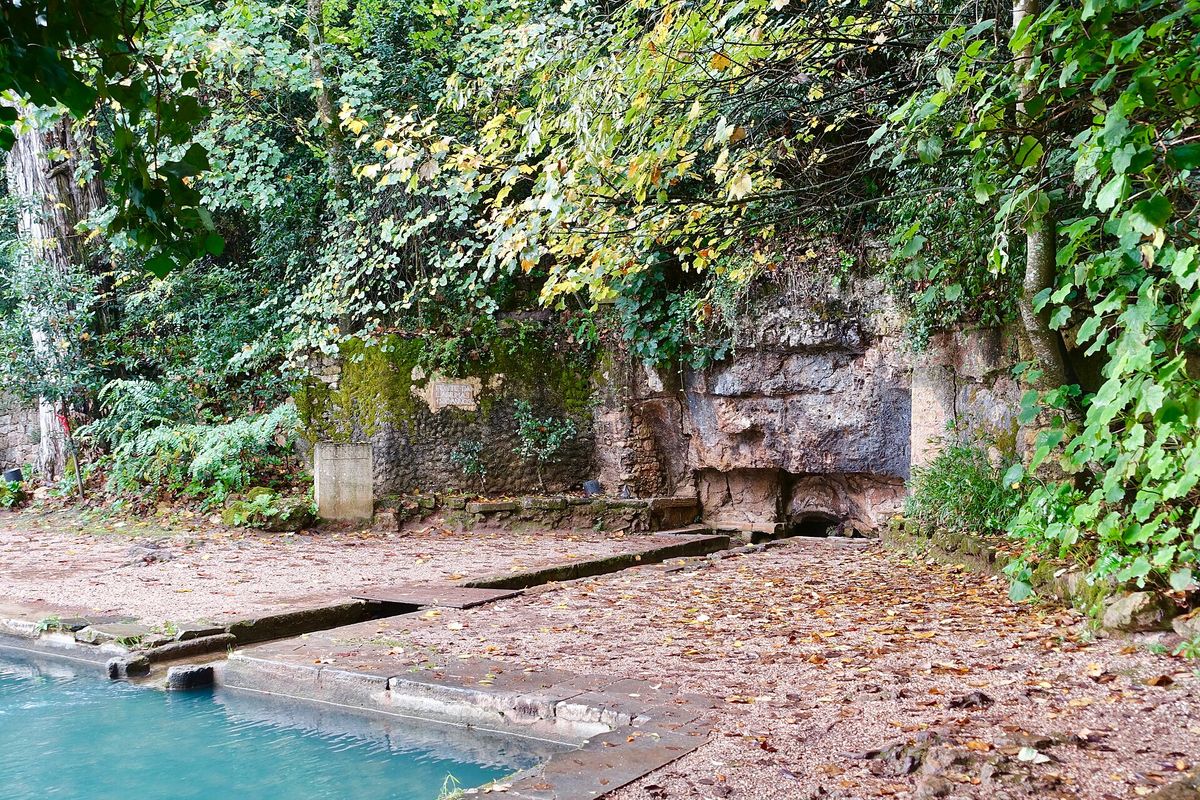
Legend has it that this is where Pedro met Inês de Castro, and that it was here she was killed, in 1355, on the orders of King Afonso IV, Pedro's father. The Fonte das Lágrimas, the Fountain of Tears, is said to have sprung from Inês's weeping, and the red stains on the stones to be her blood.

Camões told the story in The Lusiads. When Pedro became king, he had Inês brought to Alcobaça, to a tomb facing the one he had made for himself.

Photo: Daderot, Wikimedia Commons, public domain (CC0)

≈ 3.5 km

Santa Clara-a-Velha

Just above it stands Santa Clara-a-Nova, home to the silver tomb of the Rainha Santa.

How to get there →

The history

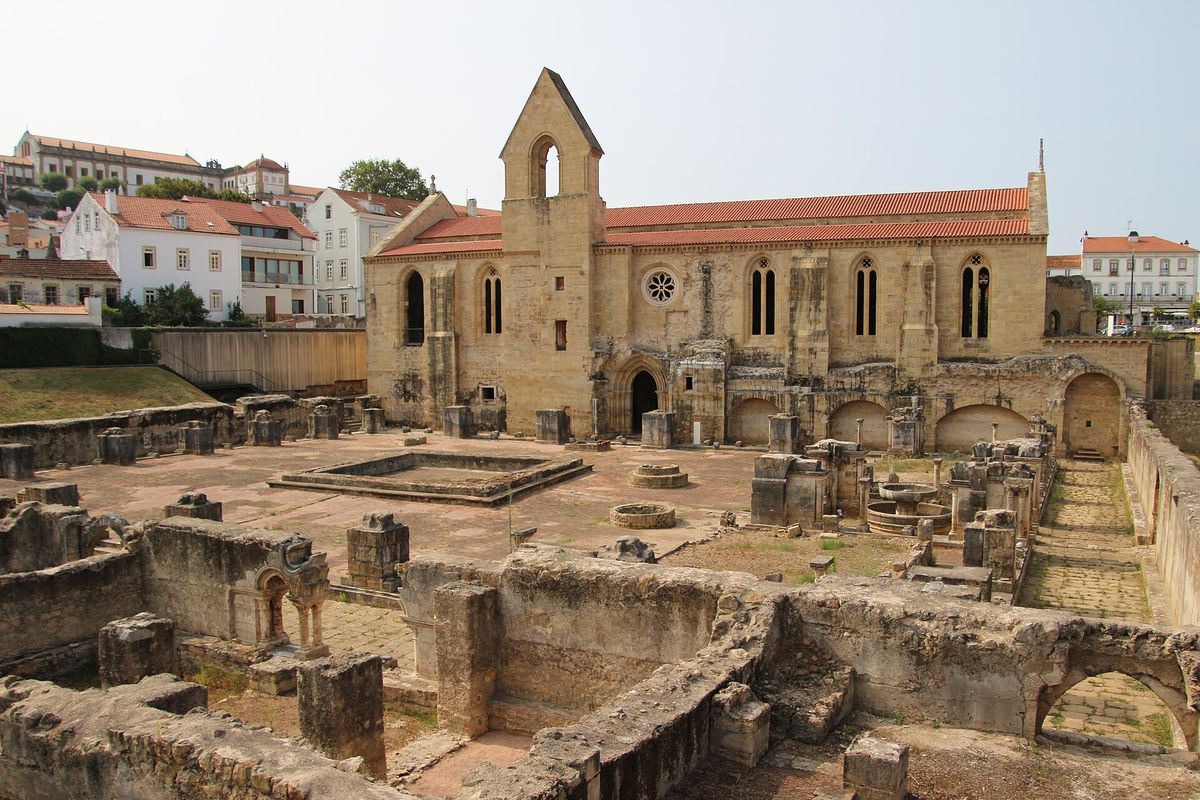
Refounded in 1314 by Queen Isabel, the Rainha Santa, wife of King Dinis, the monastery was built too close to the Mondego. For centuries the floods filled the church with silt, until the nuns abandoned it in 1677 for a new monastery on the hilltop.

It lay half-buried until the excavations, and reopened to the public in 2009, with an interpretation centre showing what the river had kept.

Photo: Carlos P. Gonçalves, Wikimedia Commons, CC BY-SA 4.0

Nature close to the house

Not everything in Coimbra is old stone. There is shade, there is the river, and there are trees older than the house.

≈ 3.1 km

Choupal National Forest

Flat and cool: ideal for a walk or an early-morning run.

How to get there →

The history

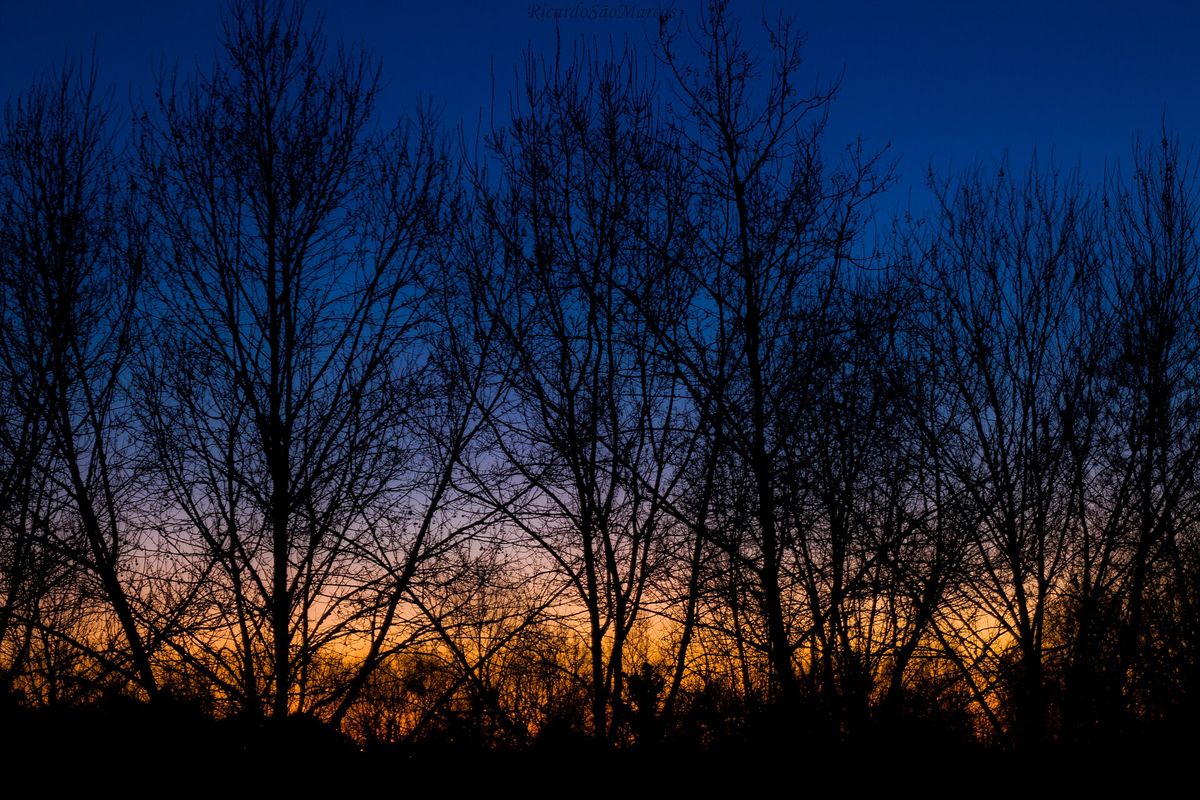
It was planted at the end of the eighteenth century to hold the banks of the Mondego, which flooded the fields every winter. The poplars (choupos) that give it its name remain, joined over time by plane trees, ash and eucalyptus.

Today it is flat, shaded trails with the river always alongside. It is the closest walk to Oryza.

Photo: Ricardo São Marcos, Wikimedia Commons, CC BY-SA 3.0

≈ 4.2 km

Botanical Garden

The main entrance is on Alameda Dr. Júlio Henriques, by the aqueduct.

How to get there →

The history

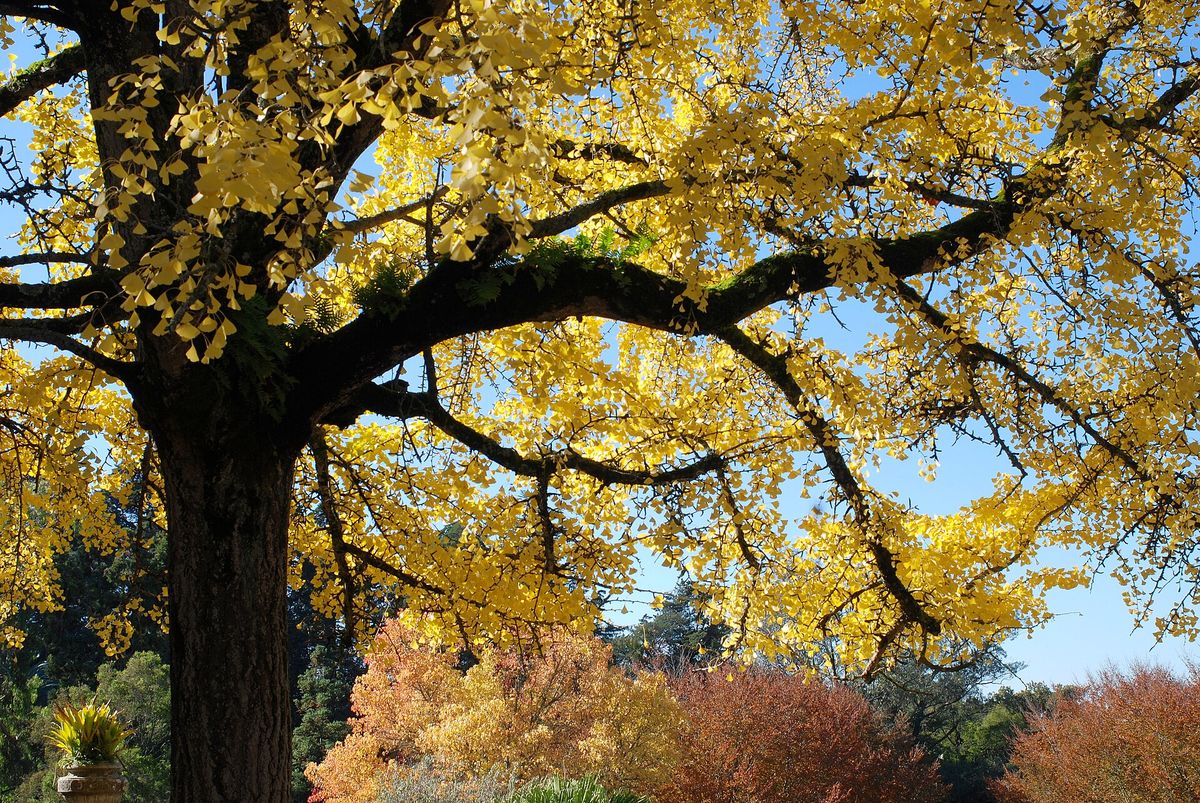
Created in 1772 by the Marquis of Pombal, as part of his reform of the University, for the teaching of natural history and medicine. Around 13 hectares of terraces between the Alta and the Mondego.

It has nineteenth-century greenhouses, species from all over the world and, in its lowest part, a wood with a bamboo grove that seems to belong to another continent.

Photo: Alvesgaspar, Wikimedia Commons, CC BY-SA 3.0

Further afield, by car

With a free day and the car at the door, there is a Roman city, a friars' forest and the Mondego running between the hills.

≈ 18 km

Roman ruins of Conímbriga

Start with the museum, at the entrance, and take a hat: there is little shade among the ruins.

How to get there →

The history

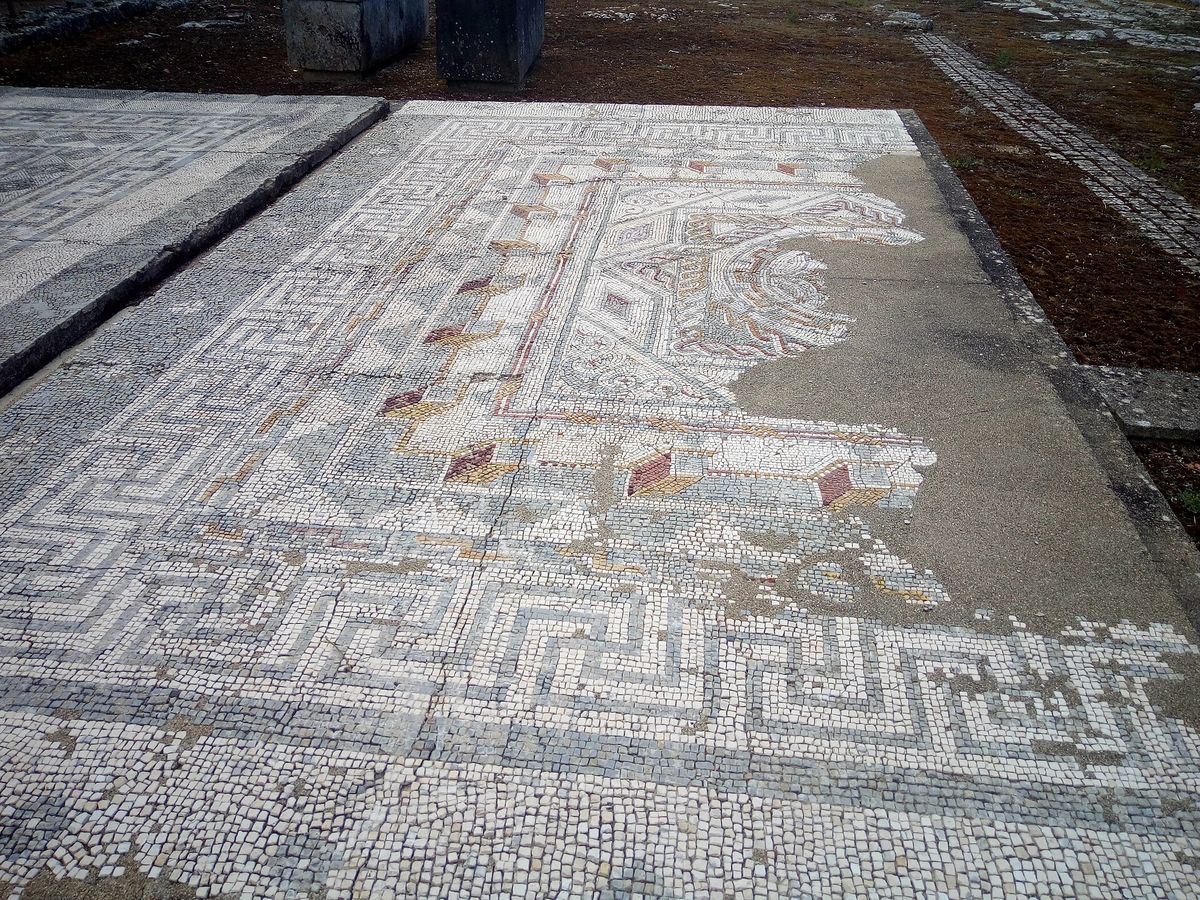
One of the largest Roman cities in what is now Portugal, near Condeixa-a-Nova. You can still walk its streets, its baths and its wall, and there are mosaics still on the floors where they were laid, like those of the Casa dos Repuxos, the House of the Fountains.

When the bishops left Conímbriga for neighbouring Aeminium, they took the name with them. Aeminium is today's Coimbra.

Photo: Hugo Ferreira, Wikimedia Commons, CC BY-SA 4.0

≈ 30 km

Buçaco National Forest

Add a stop in Luso, just below, the town of the spa and the spring water.

How to get there →

The history

In the seventeenth century the Discalced Carmelite friars walled this forest to live there in seclusion, and planted trees brought from many corners of the world. In 1810, on the ridge, the Battle of Buçaco was fought against Napoleon's troops.

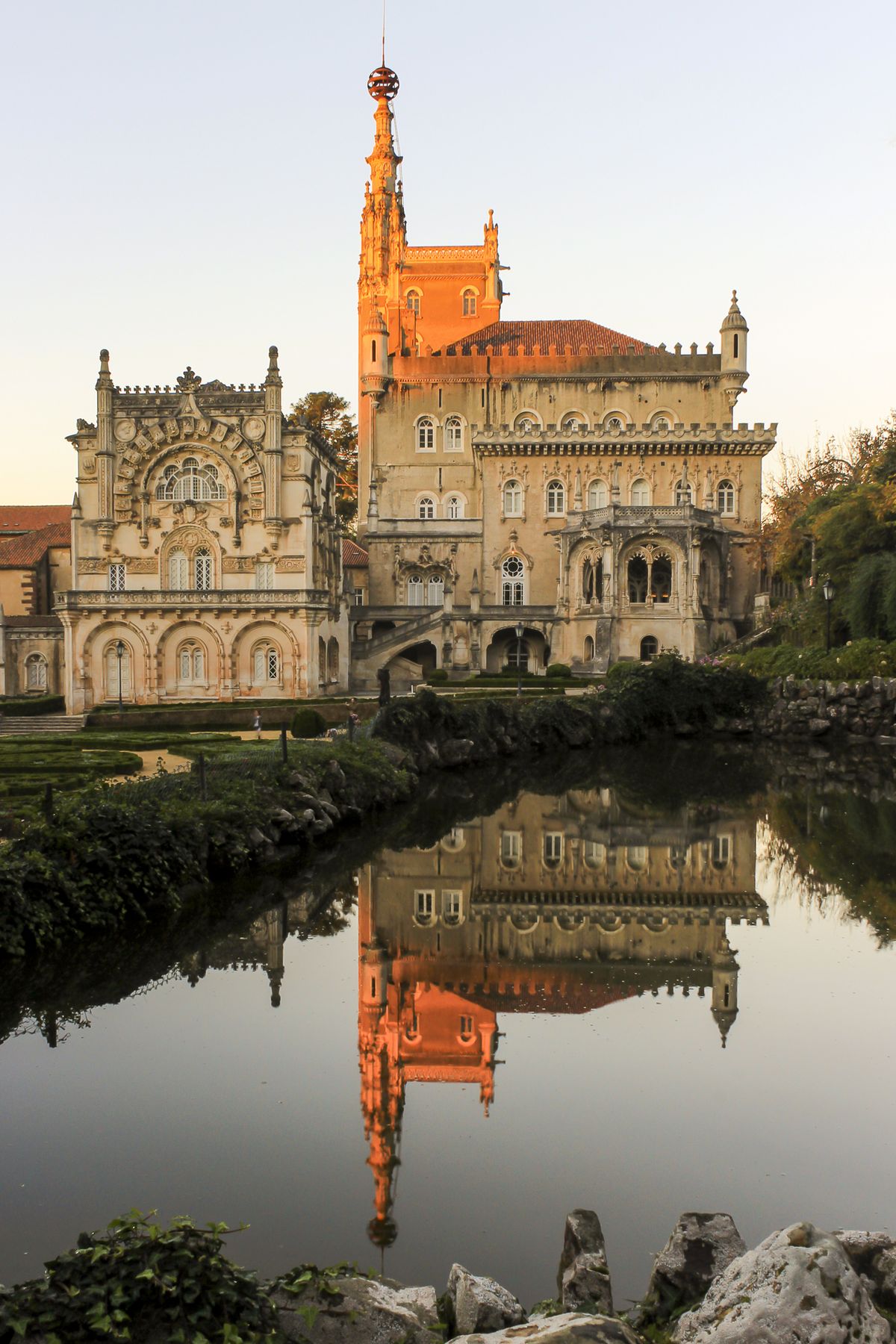
Between the end of the nineteenth century and 1907 the Palace Hotel was built, in neo-Manueline style, conceived as a royal residence in the middle of the forest.

Photo: Soniapampa, Wikimedia Commons, CC BY-SA 4.0

≈ 25 km

Penacova and the Mondego

Try the pastéis de Lorvão, pastries born in the monastery next door.

How to get there →

The history

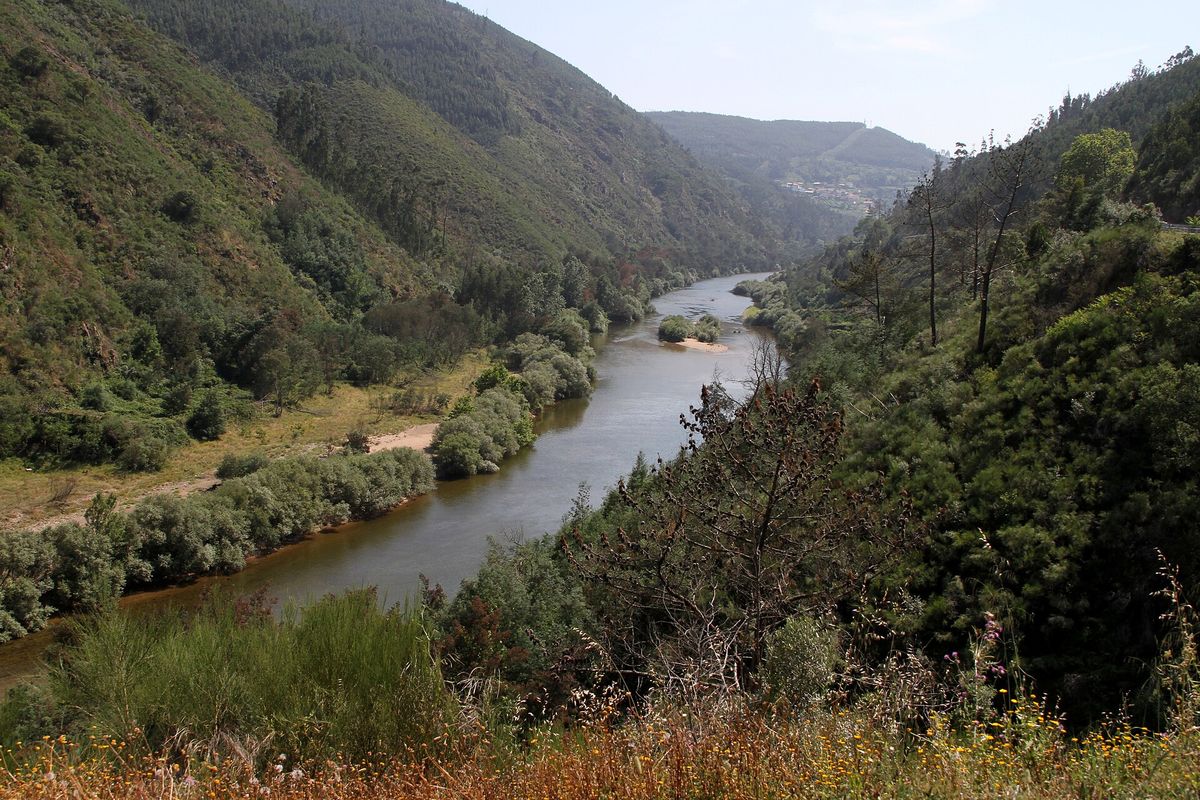
A town perched above the Mondego, with viewpoints over the valley and, a few kilometres away, the windmills of Portela de Oliveira.

In summer, canoeing down the river from Penacova is a classic of the region.

Photo: Gerd Eichmann, Wikimedia Commons, CC BY-SA 4.0

Approximate distances, by road, from Oryza. Opening hours and prices change; check before you go.

Book

At the end of the day, come home

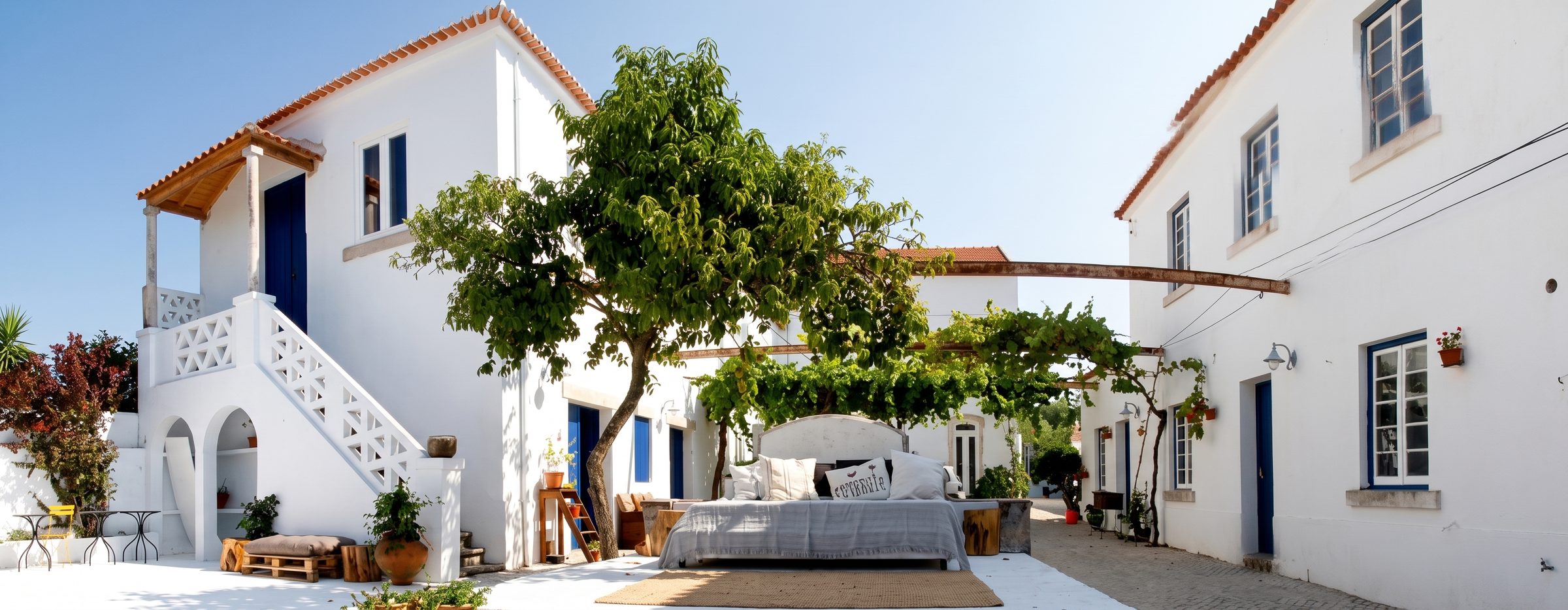
The pool, the shade and breakfast made in-house, ten minutes from all of this. Book direct and save 10%.

Book now